

Monday, December 8, 2025

The completion of a new four-bedroom family home nestled in the North Somerset countryside offers a compelling case study for the advancements in sustainable residential design and construction within the UK. Designed by DHV Architects, the residence replaces a dilapidated chalet bungalow on a commanding hillside site, leveraging modern timber-frame construction to achieve an impressive A-rated Energy Performance Certificate (EPC)—a performance level significantly exceeding standard regulatory requirements.
This project is a clear illustration of how high-quality building fabric, combined with innovative material choices and low-carbon technologies, can deliver exceptional living standards while drastically reducing the environmental footprint. The resulting home is not only highly energy-efficient but also architecturally striking, blending modern form with durable, natural materials that complement the expansive, uninterrupted views over the Mendip Hills.
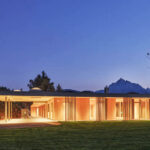
The new two-storey home features a south-facing main volume, thoughtfully arranged to maximise solar gain and panoramic views. The ground floor hosts a large, open-plan kitchen and dining area, which seamlessly connects to an outdoor patio. This terrace provides a 180° vista, extending from the rolling farmland to the east to glimpses of the Bristol Channel to the west.
A key design feature is a single-storey outrigger extending from the western end. This element not only reaches out into the landscape, anchoring the structure but also serves a practical purpose: providing crucial acoustic shelter for the main terrace area from distant road noise. Further demonstrating a commitment to passive design, a cantilevered canopy extends over the outrigger’s extensive glazing, strategically protecting the interior from excessive solar gain and maintaining year-round indoor thermal comfort.
Aesthetic appeal and material durability were crucial considerations for the exterior, which features a combination of cropped limestone and brightly coloured render panels. The dominant material, however, is the innovative Brimstone timber cladding, supplied by TDUK members Vastern Timber.
Brimstone is a thermally modified UK ash. The thermal modification process involves heating the timber to high temperatures in an oxygen-deprived environment. This alters the wood’s chemical structure, significantly improving its durability, stability, and resistance to decay and moisture absorption—characteristics typically associated with tropical hardwoods. By using UK-grown ash, the architects and clients were able to select a high-performance material with a much-reduced embodied carbon footprint compared to imported alternatives.
The client and architect were particularly impressed with the cladding’s appearance after observing a local site where the material had been used. After approximately 16 months on the North Somerset home, the timber’s rich, full colour has only weathered subtly, confirming its excellent stability and minimal aesthetic change over time. This makes thermally modified timber a highly attractive option for the timber-frame industry, offering longevity and low maintenance without compromising sustainability.
The core success of the home’s energy performance lies in a rigorous fabric-first approach to construction. The external walls are formed using a timber frame, chosen for its inherent low thermal conductivity and ease of construction. Crucially, the structural envelope is encased by a continuous layer of insulation positioned externally.
This seamless insulation wrap extends around the entire building—floor, walls, and roof—creating an unbroken thermal barrier that dramatically reduces thermal bridging, a common weak point in conventional construction that allows heat to escape.
Further supporting this high-performance envelope:
The combination of this highly insulated, airtight fabric and the deployment of advanced low-carbon mechanical systems allows the home to achieve its A-rated EPC.
The passive measures are complemented by a suite of active low-carbon technologies:
The DHV Architects project in North Somerset serves as a robust blueprint for future UK housing developments. It successfully marries the versatility and sustainability of the timber-frame industry with cutting-edge material science (thermally modified timber) and low-carbon building systems, demonstrating that luxurious, high-performance, and environmentally responsible homes are not only possible but represent the essential standard for construction in the 21st century.
Read more news on: timber frame
Get such updates through woodandpanel.us
Tags: Brimstone cladding, energy-efficient home design, thermally modified ash, timber frame construction UK








Comments: