

Tuesday, May 12, 2026
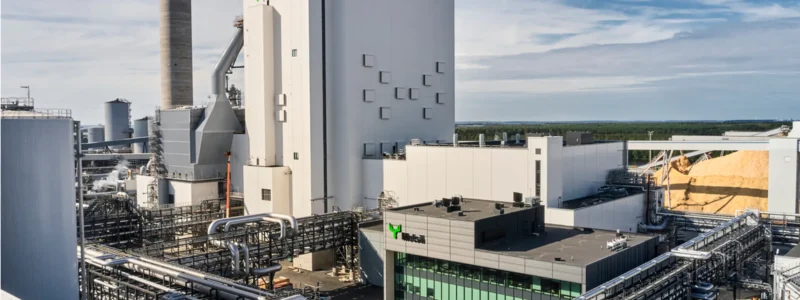
Metsä Fibre has announced plans to modernise the cooking system at its Kemi bioproduct mill in Finland as part of a continued collaboration with international technology group Andritz. The investment is aimed at improving operational efficiency, supporting production reliability and increasing raw material flexibility at one of the Nordic region’s most advanced pulp production facilities.
The modernised system is expected to begin operations during the fourth quarter of 2026. The project reflects continued investment in production technology within the European forest industry, where efficiency and sustainability remain major priorities.
The Kemi bioproduct mill is regarded as a significant asset within Metsä Fibre’s manufacturing network. The facility supports large-scale pulp production while contributing to Finland’s expanding bioeconomy sector. The upcoming upgrade is intended to strengthen long-term production performance and improve material utilisation across operations.
According to Metsä Fibre, the modernisation project will support the availability and efficiency of the mill’s cooking process. The improvements are also expected to increase flexibility in the use of raw materials. This capability remains important as pulp producers continue adapting to changing fibre supply conditions and evolving sustainability targets.
The cooking process is one of the most critical stages in pulp manufacturing. Wood chips are processed under controlled pressure and temperature conditions to separate fibres from lignin. High-performance cooking systems help improve fibre quality, reduce waste and optimise production consistency.
Modernisation projects of this scale are increasingly being prioritised across the global pulp and paper industry. Producers are investing in advanced technologies to improve process reliability while reducing operational disruptions. Greater production flexibility is also becoming essential as mills work with varying wood raw materials and changing market requirements.
Metsä Fibre stated that the investment would support the planned production levels of the Kemi mill. Stable production output remains a key objective for modern pulp facilities operating in highly competitive international markets.
The project also reinforces the long-standing cooperation between Metsä Fibre and Andritz. Over the years, the two companies have collaborated on several major industrial technology projects connected to pulp production and fibre processing operations.
Andritz has previously supplied important production technologies to Metsä Fibre’s Äänekoski bioproduct mill. Earlier deliveries included the fibre line, which remains a core component of the mill’s production infrastructure. The continued partnership demonstrates confidence in Andritz’s engineering expertise and process technology capabilities.
International technology providers continue to play an essential role in the development of advanced pulp manufacturing systems. Automated process controls, energy-efficient technologies and improved fibre handling systems are now central to modern industrial operations.
The Finnish forest industry remains one of the country’s most important export sectors. Investments in production modernisation are viewed as essential for maintaining international competitiveness. Companies operating within the sector are also under increasing pressure to improve resource efficiency and lower environmental impact.
Bioproduct mills have become an important part of this transition. Unlike traditional pulp mills, bioproduct facilities are designed to maximise the value extracted from wood raw materials. In addition to pulp production, side streams and production residues are often utilised for bioenergy and other industrial applications.
The Kemi bioproduct mill has been positioned as a major contributor to Finland’s circular economy strategy. Investments in process optimisation are expected to further strengthen the facility’s operational performance while supporting sustainable industrial growth.
Industry analysts note that modern cooking systems can contribute to improved fibre yield and lower chemical consumption. Enhanced process control may also reduce downtime and support more stable production cycles. These operational improvements are increasingly valuable in a market focused on efficiency and cost management.
The project is expected to be completed in stages before the planned start-up in late 2026. During implementation, engineering, installation and commissioning activities will be coordinated to minimise disruption to ongoing mill operations.
Pulp producers across Europe continue to invest in technologies that strengthen supply reliability and production resilience. Demand for sustainable fibre products remains strong in global markets, particularly across packaging, tissue and speciality paper segments.
Metsä Fibre’s latest investment highlights the continuing transformation of the Nordic forest industry. Companies are increasingly focusing on technological upgrades that support long-term sustainability and operational efficiency. Strategic partnerships with global technology suppliers are also becoming more important as production systems grow increasingly advanced.
As the Kemi bioproduct mill prepares for the next phase of operational development, the collaboration between Metsä Fibre and Andritz is expected to further enhance the mill’s production capabilities. The modernisation project underlines the growing importance of advanced processing technologies in the future of sustainable pulp manufacturing.
Read more news on Metsä Fibre
Get more updates on American woodworking industry through: www.woodandpanel.us
Tags: Andritz, cooking system modernisation, kemi bioproduct mill, Metsä Fibre, woodworking and manufacturing, woodworking UK







Comments: