

Tuesday, May 12, 2026
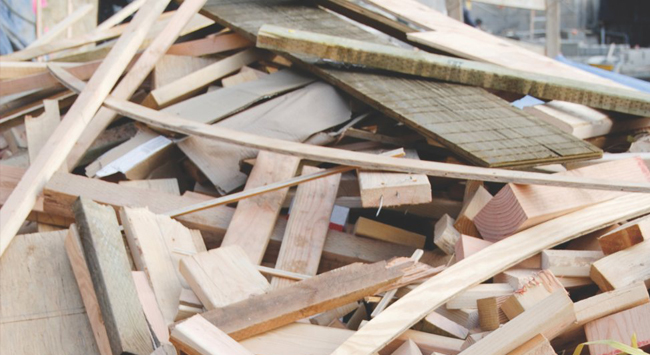
Wood Recyclers’ Association is urging waste producers across the United Kingdom to improve waste wood segregation practices in order to maximise recycling opportunities and reduce environmental impact.
The industry organisation has called on waste management companies, local authorities, and other waste producers to separate recyclable wood materials at source. Operators are also being encouraged to remove contaminants before materials are sent to processing facilities.
According to the association, improving material quality has become increasingly important due to changing market conditions within the recycling and biomass sectors.
The organisation stated that waste wood meeting the correct specifications offers access to a wider range of end markets. Better segregation practices can also help reduce dependence on individual processors or energy recovery facilities.
One of the key concerns highlighted by the association relates to medium-density fibreboard, commonly known as MDF. The panel board manufacturing industry, which represents the United Kingdom’s largest recycler of waste wood, cannot process MDF efficiently.
Industry representatives explained that MDF can create operational difficulties during recycling processes. Machinery blockages and production interruptions may occur when MDF enters recycling streams intended for panel board production.
As a result, the association is recommending that MDF should be removed from waste wood intended for recycling wherever operationally possible.
The guidance particularly targets organisations handling large volumes of wood waste. Waste management companies and local authorities are among the sectors expected to benefit from improved segregation systems.
The association acknowledged that logistical limitations may prevent MDF separation at some facilities. However, it stated that sites capable of segregating materials can significantly improve recycling performance and environmental outcomes.
By separating MDF from clean recyclable wood, operators are able to supply multiple end markets more effectively. This approach increases flexibility during periods of market uncertainty.
Mark Hayton stated that market conditions over the past year have created additional challenges for waste wood processors and producers.
He explained that finding suitable end markets for waste wood has become increasingly difficult. Consequently, material quality now plays a more important role within the sector.
According to Hayton, producers supplying contaminant-free wood materials have access to a greater number of recycling and recovery outlets. Meeting required quality standards has therefore become essential for maintaining commercial flexibility.
The panel board industry was identified as particularly sensitive to contamination issues. Hayton noted that MDF remains one of the primary causes of machinery downtime within panel board manufacturing facilities.
Processing interruptions can occur when MDF creates blockages during recycling operations. Manufacturers could potentially recycle larger volumes of waste wood if cleaner, MDF-free feedstock was supplied consistently.
The recycling sector continues to face pressure from fluctuating market demand and operational costs. In response, quality control and source segregation are being increasingly prioritised across the supply chain.
Many local authorities and waste management operators are now attempting to supply both panel board manufacturers and biomass energy facilities simultaneously. However, material specifications differ between end markets.
Correct segregation practices are therefore considered essential for maintaining access to multiple destinations for recovered wood products.
The association emphasised that wood suitable for recycling should remain separated from contaminated or non-recyclable materials throughout the collection and handling process.
Improved sorting practices are also expected to support broader environmental objectives. Recycling clean wood materials can reduce landfill disposal and increase the recovery of secondary raw materials within the circular economy.
The biomass industry continues to represent an important outlet for lower-grade wood waste. However, higher-quality recyclable wood is increasingly being prioritised for material recovery applications where possible.
Industry stakeholders believe stronger segregation standards could improve long-term sustainability within the sector. Cleaner feedstock streams may also help improve operational efficiency for recycling facilities.
Waste producers are being encouraged to adopt a more strategic approach to wood waste management. By improving quality standards, operators can gain access to a broader network of processors and recycling facilities.
The association stated that diversified offtake options provide additional protection against future market volatility. Reliance on a single disposal or recovery route can create operational risks during periods of economic uncertainty.
The United Kingdom’s wood recycling sector plays a significant role within the wider waste management industry. Recovered wood materials are used across manufacturing, panel board production, and renewable energy generation.
As sustainability targets continue to expand across Europe, demand for recycled materials is expected to increase further. The quality of incoming waste streams will therefore remain a major focus area for recyclers and manufacturers alike.
The Wood Recyclers’ Association believes that improved source segregation represents one of the most effective ways to strengthen recycling performance across the industry.
By removing contaminants such as MDF and maintaining cleaner waste streams, operators can support higher recycling rates, improve environmental outcomes, and increase resilience within the UK recycling market.
Read more news on Wood Recyclers’ Association
Get such updates through woodandpanel.us
Tags: MDF waste segregation, UK recycling industry, waste wood segregation, Wood Recyclers Association, wood recycling sector, woodworking industry, woodworking UK









Comments: