

Wednesday, August 13, 2025
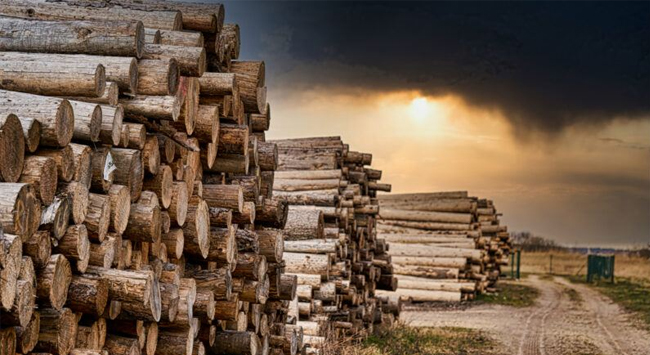
Australia’s timber trade with China, once valued at $1.6 billion annually, is moving towards a more efficient future. The country’s Prime Minister, Anthony Albanese, has recently signed a groundbreaking memorandum of understanding (MoU) with Chinese officials, heralding a new era for cross-border trade. This agreement will replace paper-based sanitary and phytosanitary certificates with electronic certificates (eCertificates). The transition aims to modernise trade procedures, boosting efficiency while ensuring compliance with biosecurity and trade standards.
The shift to eCertificates marks a significant milestone in the Australian government’s ongoing efforts to enhance trade relations. The agreement, which forms part of a broader push to streamline international trade, also includes Thailand. The memorandum is poised to drive an increase in trade across various sectors, including timber, lobster, wine, barley, coal, cotton, oaten hay, copper, and red meat. Australian Minister for Agriculture, Fisheries, and Forestry, Julie Collins, highlighted the importance of this change for the country’s agricultural sector.
“The Albanese Labor Government continues to deliver for our farmers and producers, with modernising these export certifications to ensure our agricultural trade continues to grow,” said Collins. “Going paperless makes it quicker and easier to get Australian products into overseas markets. Less paperwork means less waiting – so our fresh produce reaches customers faster and in better condition.”
The use of eCertificates comes as part of a broader global movement towards digital trade documentation. In recent years, there has been an increasing demand for more streamlined, transparent, and secure cross-border processes. The shift reduces dependency on physical paperwork and paves the way for a more sustainable trade ecosystem. In addition to China, countries like South Korea, the United States, and New Zealand have already embraced eCertificate exchanges with Australia. This growing network of trade partners is poised to make the logistics of international agricultural and horticultural exports significantly easier.
Electronic phytosanitary certificates (ePhytos) play a critical role in enhancing the overall reliability of global trade. Platforms like the International Plant Protection Convention (IPPC) ePhyto Hub enable secure exchanges of digital documents between governments. This modernisation helps to prevent fraudulent activities, guarantees authenticity, and ensures the goods meet the required biosecurity and trade standards. These changes are set to greatly reduce the complexity and delays involved in the customs clearance process, benefitting both Australian exporters and their global customers.
In the past, the reliance on paper certificates often led to delays in clearance, hampering trade and affecting the freshness of agricultural exports, particularly perishable items. With the shift to eCertificates, the trade process becomes more transparent and efficient. This results in fewer delays, improved compliance with international standards, and enhanced trust among trade partners. The adoption of this technology is expected to have a significant impact on Australia’s agricultural and horticultural exports, further solidifying the country’s position as a key player in the global market.
Reducing the reliance on paper is not just a move towards efficiency; it is also an environmentally conscious decision. By eliminating the need for physical documentation, Australia and its trading partners will lower their carbon footprint. This contributes to the global effort to reduce waste and promote sustainability in trade. Additionally, the use of eCertificates can improve resource management by reducing the costs associated with printing, storing, and shipping physical documents.
For Australia’s exporters, this digital transition offers substantial economic benefits. The faster turnaround times for certification mean that Australian products, such as timber and other agricultural exports, can reach overseas markets in a much shorter period. This boost in efficiency will likely result in increased demand for Australian goods, as they will be delivered more quickly and in better condition, making them more competitive in international markets.
While China and Thailand are the latest countries to sign eCertificate agreements with Australia, this is just the beginning. As more countries move towards digital trade documentation, it is expected that more trade partners will follow suit. This growing network of eCertificate users is likely to foster deeper international collaborations and create opportunities for Australia’s farmers, producers, and exporters to expand into new markets.
The Australian government is expected to continue expanding its partnerships with other nations, further facilitating the growth of the country’s agricultural trade. By embracing digital trade, Australia will continue to lead the way in modernising the global agricultural supply chain.
The introduction of eCertificates represents a transformative shift in the global timber trade and other agricultural sectors. As digital documentation becomes the norm, the process of trading agricultural goods will become faster, more secure, and more reliable. Australia’s move to replace paper with digital certificates sets an example for other nations and signifies a major step forward in simplifying the logistics of international trade.
By modernising trade certification processes, Australia is positioning itself for continued growth in international markets. The future of the agricultural sector looks bright as digital trade platforms help foster innovation and sustainability in the industry.
This step marks the beginning of a new era in cross-border trade, making the process simpler, faster, and more reliable for all involved.
Read more news on Timber , Timber Trade
Read more woodworking news, follow LinkedIn.
Tags: Australia timber trade, cross-border trade, eCertificates, global trade agreements, timber trade with China, woodworking industry







Comments: