

Tuesday, May 13, 2025

Koskisen is now focused on the Zero furniture board, which was one of the unavoidable options for a compact house full of circular economy ideas. Concrete solutions can lessen the impact of building on the climate. Designed and prefabricated in Aulis Lundell Oy’s modular manufacturing, Talo Varjo was finished in 2024. Zero furniture board was a clear choice for the project’s sliding doors, according to Leena Lundell, Chair of the Board at Aulis Lundell Oy, and the business intends to keep utilising it.
“Zero is the word of the day,” Lundell notes. “We need to find good products that fit the circular economy because half of the world’s raw materials are used in construction. In addition, the more recycled materials that can be used in construction, the better.” Future construction projects may heavily include recycled materials and other circular economy solutions due to the substantial climatic implications of construction. “This needs to become the standard solution. Especially in developed and skilled countries, a complete turnaround should be made,” Kuittinen states.

Background study revealed zero
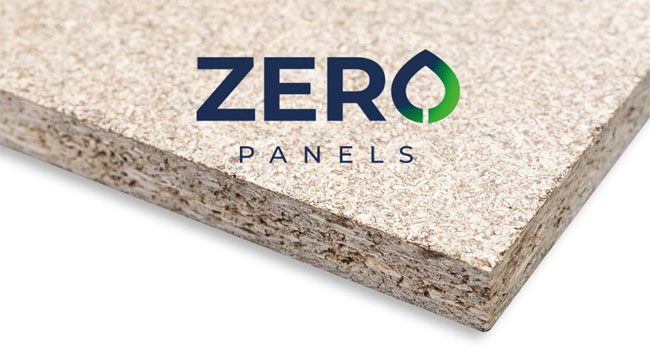
Talo Varjo was given the Liune sliding door system by Aulis Lundell Oy since it is the ideal way to increase living space in small homes. Matti Kuittinen claims that during his background investigation, he discovered no furniture panels for the doors. “I was looking for what kind of wood panels there were and whether there was a suitable material anywhere. Koskisen’s Zero furniture panel was the perfect solution.” Koskisen’s Zero, which had won the Nordic Wood Fair’s new product competition in 2023 (Puu 2023), was still a relatively new product on the market at this time. Lignin, a sustainable wood-based binder, has taken the role of the fossil binder in the Zero furniture board. The Zero board’s wood raw materials are derived from byproducts of Koskisen’s production operations.
According to Kuittinen, he was thrilled to discover goods that consider the circular economy. He has extensively researched the topic and claims that the circular economy for wood products has been weak and moderate. Additionally, Lundell commends Koskisen’s product development: “When suppliers develop their products, we get innovations that will help us meet future regulations. Requirements sharpen our senses. Suppliers should consider how things could be developed and done differently.”
Recycled materials make up almost half of Talo Varjo’s weight
Kuittinen claims that he wanted to experiment with various living arrangements for his remarkable home project. Kuittinen established the objective at the start of the project to recycle more than half of the house’s weight. Since recycled or circular economy-compliant materials make up 56% of the finished house’s weight, the target was accomplished. “If we had used more Zero furniture boards, that amount would have increased even more,” says Kuittinen, who found Zero late in the project, proving the recycling value in building materials and the circular economy. “The situation does not seem hopeless. If change is desired, it is possible. This requires legislative development work and new business models,” says Kuittinen. He also calls for producer responsibility or a product service in which materials would be recycled.
Lundell emphasises industry-wide innovation and responsibility. “We talk about climate change and making choices, but everyone needs to take responsibility for their part. Customers must also demand solutions, otherwise, development will not move forward.”
Get such insights from: WOODWORD
Read more news on our website: Koskisen, recycling, circular economy, construction, furniture
Tags: #1 woodworking magazine, best wood magazine, Building Materials, circular economy, fossil binder, furniture board, furniture panels, Koskisen byproducts, Koskisen construction update, Koskisen latest update, Koskisen zero waste furniture, modular manufacturing, raw materials, recycled materials, sliding doors, sustainable construction, sustainable wood-based binder, wood, wood and panel, wood products, wooden panels, woodworking, woodworking and manufacturing, woodworking and processing, woodworking industry, zero furniture panels







Comments: