

Friday, August 1, 2025
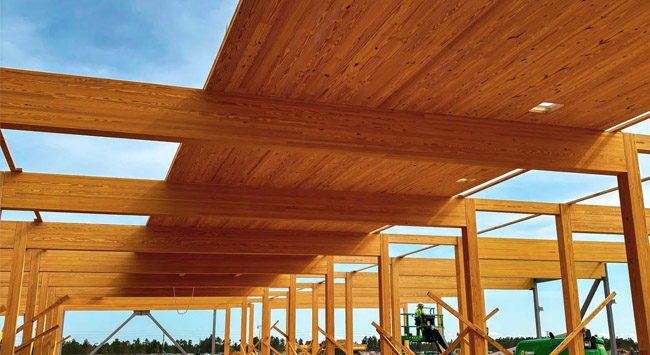
Meta, a global leader in technology, is taking bold steps toward sustainability by incorporating mass timber in the construction of its data centres. As part of its commitment to achieving net zero emissions by 2030, Meta is exploring innovative building materials that significantly reduce the embodied carbon of their physical infrastructure. This new approach leverages the benefits of mass timber, which is sourced from sustainably managed forests and offers a lower carbon footprint than traditional materials like concrete and steel.
In 2025, Meta began piloting the use of mass timber in the construction of buildings on its data centre campuses. Mass timber refers to a variety of engineered wood products that offer the strength and durability needed for industrial applications. These materials are gaining popularity as alternatives to conventional building materials, including steel and concrete. Examples of mass timber products include cross-laminated timber (CLT), glue-laminated wooden beams (glulam), mass plywood, and timber wall assemblies. These materials have been engineered to withstand the demands of large-scale industrial buildings, such as data centres, and even high-rise constructions.
The first mass timber structure at Meta was completed in Aiken, South Carolina, in 2025. This administrative building was constructed by DPR Construction with mass timber provided by SmartLam. Meta’s plans also include expanding the use of mass timber to other buildings across its data centre campuses. Construction will soon begin in Cheyenne, Wyoming, and Montgomery, Alabama, with projects supported by Fortis Construction, Mercer Mass Timber, Hensel Phelps, and Binderholz.
Reducing Embodied Carbon for a Sustainable Future
Mass timber offers substantial environmental benefits. By incorporating mass timber into their building projects, Meta can reduce the embodied carbon of their structures by approximately 41%. This reduction is possible because sustainably sourced wood has a much lower carbon footprint than traditional materials. Additionally, the use of mass timber helps sequester carbon that was absorbed during the growth of the trees, effectively locking it into the building materials for the long term.
One of the key advantages of using mass timber is its lightweight nature. This reduces the amount of concrete required for foundations, which can sometimes be halved. This not only lowers emissions but also decreases construction costs. Furthermore, the prefabricated nature of mass timber products enables faster construction times. Building with mass timber can speed up construction by several weeks compared to traditional methods, eliminating the emissions associated with welding steel and reducing the need for on-site adjustments.
Research also indicates that mass timber has several additional benefits. Biophilic design principles, which incorporate natural materials like wood, can improve the well-being of those who work in these spaces. Exposed mass timber in offices and administrative buildings has been linked to reduced stress, improved morale, and higher productivity. As such, the new data centres built with mass timber will not only contribute to sustainability but also provide better working environments for Meta employees.
Sustainably Harvested Timber with a Positive Environmental Impact
Meta is committed to ensuring that the wood used in its construction projects comes from responsible, sustainably managed sources. The company requires third-party audits to verify the traceability of wood back to its forest of origin, ensuring that these forests are managed for long-term ecological health. Moreover, Meta prioritises suppliers who follow climate-smart forestry practices, including reducing wildfire risks and collaborating with indigenous tribes who manage forestlands.
Sustainable forestry practices can also support forest conservation and restoration efforts, helping maintain healthy ecosystems. Meta’s partnerships with organisations such as BTG Pactual Timberland Investment Group in Brazil and EFM in Washington State are integral to their efforts to support responsible forestry while eliminating residual emissions on their path to net zero.
By supporting forestry projects and encouraging sustainable timber sourcing, Meta is ensuring that mass timber can play a significant role in the construction of its data centres. These efforts align with the company’s broader environmental goals, demonstrating how sustainable sourcing practices can be integrated into the supply chain for large-scale construction projects.
Scaling Mass Timber for the Future
While mass timber has significant potential as a low-carbon alternative to concrete and steel, the challenge lies in scaling its use across the industry. Meta’s pilot projects serve as examples for how large technology companies can begin integrating mass timber into their infrastructure development. The company hopes to inspire others in the tech industry and beyond to adopt more sustainable construction practices.
As Meta continues to expand its use of mass timber, it will incorporate it into additional structures, including administrative buildings, warehouses, and even critical data halls. These efforts reflect the company’s commitment to reducing its environmental impact while maintaining the technological capabilities needed to power its global network.
Meta’s pioneering use of mass timber in data centre construction sets an important precedent for sustainable building practices in the tech industry. By investing in sustainable materials and focusing on reducing emissions, Meta is not only working toward its net zero goal but also demonstrating the potential for mass timber to shape the future of construction. As the demand for more sustainable infrastructure grows, mass timber will continue to play an essential role in transforming the way we build.
Read more news on Mass timber , Timber Construction
Read more woodworking news, follow us on LinkedIn.
Tags: green construction, mass timber, mass timber buildings, mass timber data center, mass timber news, Meta, net zero






Comments: