

Tuesday, August 5, 2025
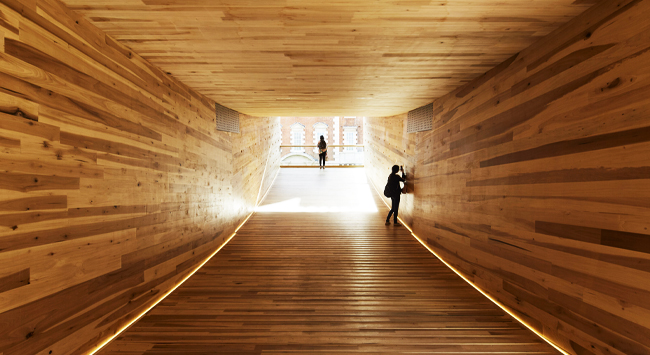
Timber isn’t just a building material. It’s a foundation for healthier, happier living. Across the woodworking industry, this insight is gaining traction. Scientifically backed, the use of wood in construction is proving to be beneficial not just aesthetically but physiologically and psychologically too.
Let’s explore how and why wood, especially untreated and visible, is transforming interior spaces across homes, offices, and public buildings.
Wood has qualities that other materials simply can’t mimic. According to researchers, “Wood is a restorative material that supports well-being.” This claim is supported by multiple academic studies.
A Slovakian study identified that wooden surfaces with warm, brown tones are especially calming. In a similar light, wood has been found to positively impact the human nervous system through its natural aesthetic appeal. The look and scent of timber significantly reduce stress and elevate positive emotions.
Riina Muilu-Mäkelä, Senior Scientist at the Natural Resources Institute Finland, asserts, “A positive feeling about the environment is not a minor thing.”
A joint study by Tampere University and Luke placed participants in two separate rooms: one with pine wood-covered surfaces and another with neutral materials. Stress-inducing cognitive tasks were followed by relaxation periods.
The result?
“At the end of the experiment, the anxiety levels were clearly lower in the wooden test room compared to the control room.”
Energy levels, mood, and sustained attention also saw marked improvements in the wooden room. These weren’t subtle differences either. The response was immediate and positive from the moment participants entered the timber-lined environment.
Comments described the wood as “warm,” “natural,” and “delightful.” These observations weren’t prompted. They emerged organically – a telling sign of the material’s unconscious impact.
An Italian study with similar controls reinforced these outcomes. Wood was rated as more pleasant, healthier, familiar, and even more “perfumed” than other materials. This wasn’t merely cultural preference; it’s about the deep connection humans have with natural materials.
When construction is complete, materials begin releasing compounds into indoor air. With softwoods like pine, this includes terpenes – compounds known for antimicrobial and anti-inflammatory properties. Some, like α-pinene, have been shown to lower heart rate. That said, sensitive individuals may have allergic responses.
Even the surfaces of wooden materials carry benefits. In antimicrobial testing, laminate retained bacteria longer than hardwood. Interestingly, oil-treated and unfinished wood had the highest bacteria-reducing properties. Tannins and terpenoids found naturally in wood play a key role here.
Wood is breathable. Its hygroscopic nature allows it to absorb and release moisture, reducing fluctuations in indoor humidity. This doesn’t just improve comfort—it stabilises the environment in ways plastic and synthetic materials cannot.
This moisture-buffering ability shines in log buildings but benefits are seen even in rooms with partial wood panelling. However, air exchange systems and insulation still matter. Wood isn’t a cure-all; it’s part of a broader ecosystem of healthy design.
“Wood offers soft echo sounds, and the softness makes the acoustic environment of a building pleasant.”
As noted by Muilu-Mäkelä, it’s not just about looks or smell. It’s about how wood “feels” across all human senses.
For maximum benefit, wood must be visible. Coating or hiding timber behind heavy paint or synthetic panels limits its psychological and physical advantages. The trend towards bare wood finishes and natural oils isn’t just stylistic – it’s functional.
For builders, architects, and wood product manufacturers, this isn’t just data – it’s a design imperative. The market is shifting. People are choosing homes and workplaces that feel good, not just look good.
Takeaways for the industry:
These aren’t niche advantages. They’re powerful, natural tools that offer well-being in every square metre.
As the UK and Europe push toward sustainable, human-centric building practices, wood’s role is more relevant than ever. The evidence is in. The scent, sight, and surface of timber don’t just create beautiful spaces — they create better lives.
Read more news on WOODWORD, Timber Construction
Get more updates through the American woodworking industry website: woodandpanel.us
Tags: timber construction, timber construction news, Wood as construction material, wooden building advantages, woodworking industry, woodworking UK








Comments: