

Wednesday, October 8, 2025
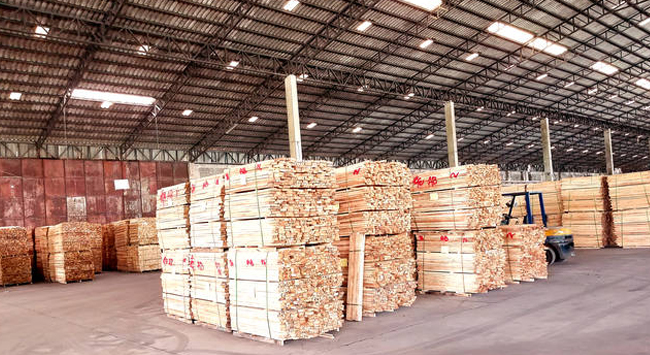
The UK timber industry is experiencing a noticeable slowdown in both prices and demand for softwood as the summer months take hold. Traditionally, the summer period is marked by a reduction in construction activities, leading to lower demand for timber products. This year, however, the downturn is more pronounced, with some timber suppliers reporting lower-than-expected sales volumes, while others are adjusting their pricing strategies to adapt to market conditions.
The impact of the summer slowdown on softwood prices is a development that has sent ripples through the timber and woodworking sectors. Softwood, a key material in the construction, furniture-making, and joinery industries, is feeling the effects of reduced orders and slower production. In this article, we’ll take a closer look at why softwood prices and demand have dipped and what this means for the UK’s timber industry.
The softwood market’s seasonal nature
The UK timber market is inherently seasonal, with demand peaking during the spring and early summer months as construction projects ramp up. As the weather improves, builders and contractors tend to push forward with construction and renovation projects, leading to a surge in softwood demand. However, the arrival of summer often triggers a slowdown in the second half of the year. For many suppliers, this time of year represents a brief lull in activity, as workers take vacations and fewer building projects are underway.
While these seasonal fluctuations are not unusual, this year’s slowdown is more marked. According to industry reports, the demand reduction has led to a drop in timber prices, particularly for softwood products, which are often used in the construction of frames, roofing, and joinery.
Why are softwood prices dropping?
Several factors contribute to the recent dip in softwood prices and demand in the UK. While the seasonal slowdown is a major factor, there are other market dynamics at play.
What does this mean for the timber and woodworking sectors?
The slowdown in softwood demand and prices presents both challenges and opportunities for the UK timber and woodworking industries. The reduction in prices may make timber more affordable for certain types of projects, benefiting builders, contractors, and joinery businesses that rely on softwood for their operations.
However, for some suppliers and manufacturers, the price reduction means thinner profit margins, especially for those who have invested heavily in stock. Companies may need to adjust their pricing strategies or reduce production levels to ensure they can remain competitive in a market that is less buoyant than it was earlier in the year.
Opportunities for small and mid-sized joinery businesses
Smaller joinery businesses could potentially benefit from the drop in softwood prices, as timber becomes more affordable for bespoke furniture production, home renovations, and smaller-scale construction projects. With the summer slowdown affecting the larger construction industry, smaller joiners could capture the attention of homeowners and businesses seeking customized woodwork without the delays associated with large-scale building projects.

The importance of sustainability in timber sourcing
Another potential upside is that the slowdown might encourage greater focus on sustainability. With reduced demand and some surplus stock in the market, businesses may begin to prioritise sustainable timber sourcing practices and consider alternative wood materials. This aligns with the ongoing push towards more eco-friendly, ethically sourced timber and woodworking products within the industry. For companies looking to future-proof their operations, emphasising sustainability could be a strategic move in a market that is becoming increasingly conscious of environmental impacts.
Looking ahead, the softwood market in the UK is expected to remain unpredictable. Seasonal fluctuations, combined with ongoing economic factors, will continue to influence demand and pricing trends. Timber suppliers and manufacturers will need to stay adaptable to these changes, making it essential to monitor shifts in construction activity, the availability of imported timber, and broader economic factors that could influence pricing and demand.
For the time being, industry experts anticipate that the market will stabilise after the summer slowdown, with demand picking up again in the autumn months as construction activities ramp up. However, the long-term outlook for the UK timber market remains dependent on several key factors, including the recovery of the supply chain, trends in the housing market, and potential shifts in global timber pricing.
Conclusion
The summer slowdown has certainly affected softwood prices and demand in the UK, creating a temporary lull in the market. While this reduction in prices may benefit some businesses, it also presents challenges, particularly for suppliers managing excess stock. For joinery businesses and smaller construction projects, the lower prices could present opportunities for cost savings and increased business. As the industry navigates these fluctuations, maintaining a focus on sustainability and adapting to market conditions will be key to thriving in a competitive and dynamic environment.
Explore WOODWORD for more engaging articles
You may also get daily updates through Woodworking News
Tags: softwood demand, summer slowdown timber, timber market UK, timber price trends, timber supply chain












Comments: